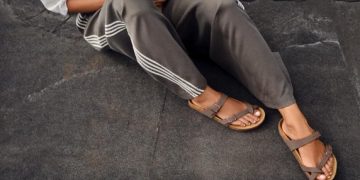






Comfort used to be fashion’s dirty secret. Something you whispered about, pursued in private, and never admitted to at a dinner party where shoes were involved. The unspoken rule was clear: if it did not pinch, it did not count. That rule has changed.
Open-toe, cork-soled, buckle-up footwear has spent the last few seasons doing something that usually takes decades: earning genuine credibility without compromising on feel. It has moved from niche to necessary, from functional to flat-out covetable. And the ones switching to it are not doing so reluctantly. They are doing it with the quiet confidence of someone who has finally stopped arguing with their own feet.
- The comfort pivot nobody saw coming
There was a time when picking comfort over style felt like a trade-off you made quietly, guiltily, and only on weekends. That era is over. Sandals for men and stylish sandals for women have evolved into a genuine wardrobe category, not a concession.
The shift started subtly: a few editors wearing orthopaedic-adjacent footwear to fashion week, a handful of stylists pairing strappy flats with tailored trousers. Now it is mainstream. Cork footbeds, adjustable straps, and contoured arch support have migrated from the health aisle to the high street, and people are not going back.
- What makes these sandals actually different
Most footwear is engineered for appearance first and feel second. The sandals taking over right now flip that logic. Cork-and-latex footbeds mould to the wearer’s foot over time, arch support is built in rather than bolted on, and upper materials breathe rather than trap heat.
Styles like the Birkenstock Arizona two-strap and the toe-post Gizeh have built cult status precisely because they get better with wear. They also survive serious mileage: cobblestones, long commutes, beach-to-bar evenings. For anyone who has spent a summer hobbling in the name of aesthetics, that is a meaningful proposition.
- The aesthetic advantage
Practicality alone does not explain this level of enthusiasm. These sandals are genuinely good-looking. The Mayari interlaced toe-loop reads as sculptural against linen trousers. The closed-toe Boston clog has logged serious runway and street-style appearances.
For black sandals for men specifically, the appeal is versatility: a clean black strap works with shorts, chinos, and even casual suiting. Abroad or at home, this footwear moves across contexts without effort. The silhouette is distinct enough to anchor a look and neutral enough to never overpower it.
- Who is actually wearing them (everyone, it turns out)
The category is genuinely cross-demographic. Students wear them between lectures and cafes. Parents wear them through school pick-ups and Saturday markets. The appeal of stylish sandals for women has expanded well beyond the yoga-and-wellness crowd that first championed this silhouette.
Meanwhile, sandals for men are finally getting the style attention they deserve, moving beyond slim-strap resort slides to broad-strapped, buckle-forward designs built for real walking.
- The upgrade is about your whole day, not just your feet
Wearing footwear that does not hurt you changes your mood. You move differently when your feet are not punishing you for it. Posture improves. Energy holds longer.
Black sandals for men that pair with nearly any outfit remove a daily decision. Stylish sandals for women that carry you from a morning meeting to an evening plan, removing the need for a shoe change. The mundane logistics of the day quietly get easier, and that counts for a great deal more than the fashion press will usually admit.
The bottomline
The footwear upgrade happening right now is not about a single trend. It is about people realising that well-made, well-designed sandals for men and women can hold their own against almost anything in a wardrobe, and do it without the blister tax. That is not a small thing. That is a lifestyle edit.