




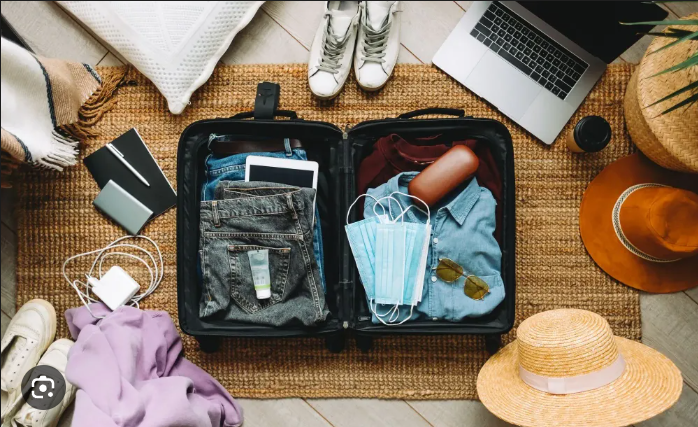
Packing for an extended trip feels deceptively simple at first, like you’re just repeating what you’ve done for shorter getaways, only with a bigger bag and more socks,
But somewhere between “I’ll just bring the essentials” and “What if I need this one very specific thing,” the process turns into a quiet mental tug-of-war.
So how do you actually pack for weeks or months away without overpacking, underpacking, or slowly losing your mind?
Clothing
For long trips, clothing needs to cooperate. Pieces should layer easily, dry quickly, and forgive rough handling. Fashion still matters, sure, but it takes a back seat to versatility.
Neutral colors earn their keep. They hide stains, mix well, and look acceptable in more situations than you’d expect. A single warm layer that compresses well often outperforms multiple bulky options.
Shoes deserve extra thought. One pair can work if chosen wisely, but feet remember mistakes. Blisters don’t care about luggage weight.
Toiletries
People overpack toiletries because they fear running out of normalcy. That’s understandable. Familiar scents and habits ground us.
But liquids are heavy, fragile, and replaceable almost anywhere. The smarter move is to bring what anchors your routine and trust the rest to the road.
A toothbrush you like. Skincare that prevents problems rather than fixes them. Medications you truly need.
Food and Hydration
Even if you’re not camping full-time, long travel days demand self-sufficiency. Snacks aren’t luxuries; they’re mood regulators.
Reusable containers, simple utensils, a reliable bottle. These small items keep you fed when plans slip, stores close early, or delays stack up.
For outdoor stretches, cooking gear becomes part of the equation. Weight matters, but reliability matters more. A meal that works in wind, rain, or fatigue pays for itself.
Tech
Ten years ago, tech was a luxury. Now it’s basic survival.
Your phone isn’t just communication. It’s navigation, banking, work, tickets, documents, translation, entertainment, and your memory. Lose it and your life goes fuzzy.
The same goes for laptops, tablets, cameras, headphones. They’re not gadgets anymore. They’re extensions of your nervous system.
And with tech comes a hidden layer of packing: cables, adapters, chargers, power management.
This is where long trips get interesting. You can survive without a lot of things. You cannot survive without energy.
Power becomes invisible until it’s gone. And when it’s gone, everything else feels smaller. Your world shrinks to whatever still has battery.
That’s why experienced travelers obsess over outlets, voltage, and backup options.
They’ve moved beyond simple power banks to power stations—rugged, high-capacity units capable of running everything from a laptop to a CPAP machine.
They’ve learned the hard way that when the café sockets are full and the grid is unreliable, you have to bring your own fuel.
Once is enough to learn that lesson.
Comfort Items
At first glance, comfort items look expendable. Then day twenty arrives.
Sleep quality drops faster than people expect. Earplugs, eye masks, familiar textures. These aren’t indulgences; they’re recovery tools.
Extended trips test resilience quietly. Small comforts reset your nervous system after long days of decision-making. They help you show up better the next morning.
Conclusion
Packing for an extended trip is really about designing a life that can move without falling apart.
Clothes, routines, tech, and personal habits all work together, whether you notice it or not.
A portable solution like an ALLPOWERS power station isn’t about gadgets or luxury; it’s about continuity.